Tinkerer
A scrolling desk for technology and science. Pull down to renew knowledge. Social posts are still not sources.
9 checks on the desk
22 Sep 2026/Space
Confirmed
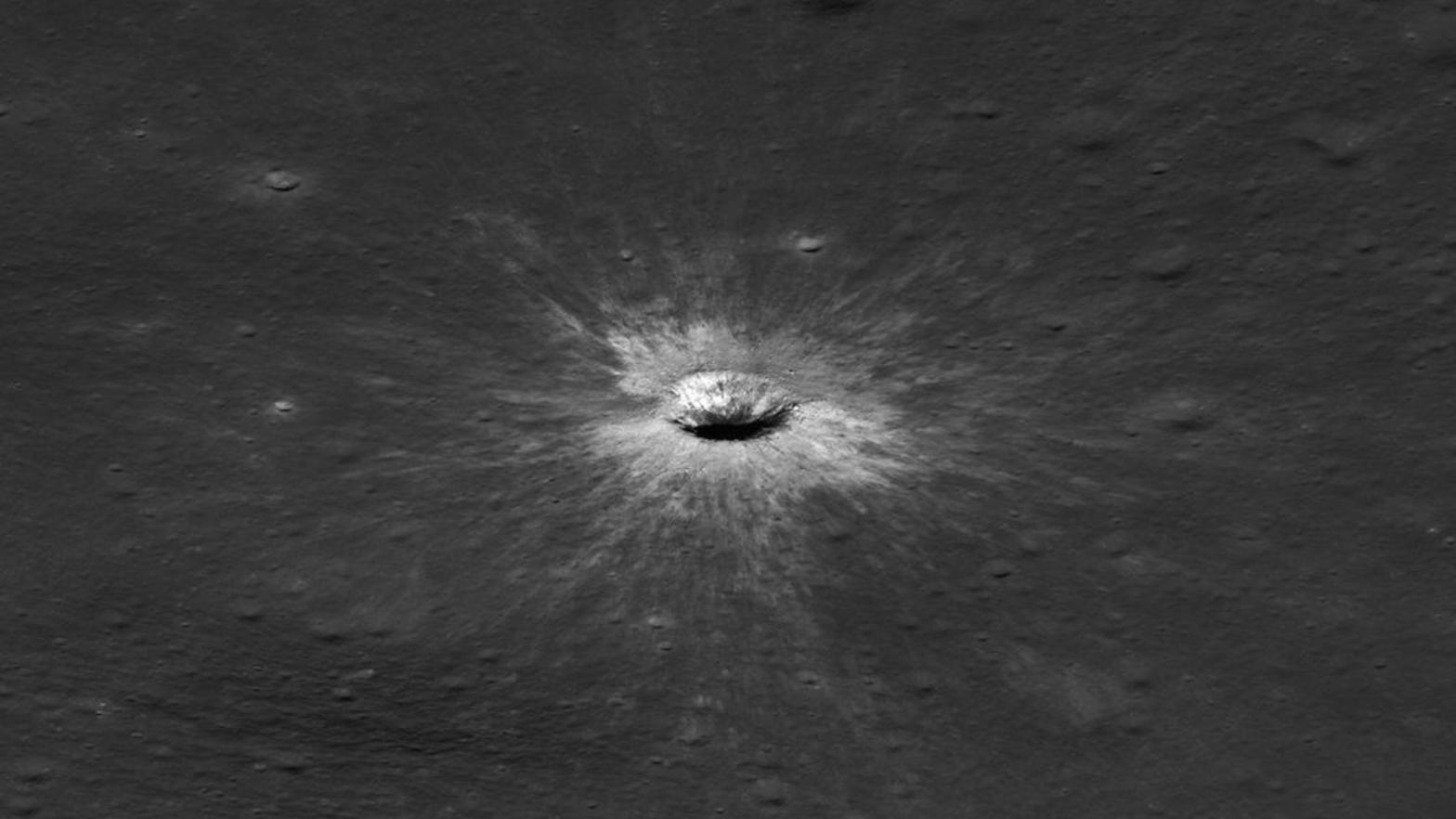
NASA Lunar Reconnaissance Orbiter. The bright rays are thrown-out dust, not an explosion. The largest newly found impact crater in the solar system is a 222-meter scar on the Moon.
NASA’s Lunar Reconnaissance Orbiter team compared images and found McGetchin crater — about 222 meters across and 43 meters deep — formed between 11 April and 22 May 2024. Two Science Advances papers call it the largest newly formed crater yet found in the solar system, a roughly once-a-century class of lunar hit.
4 sources
21 Sep 2026/Space
Confirmed
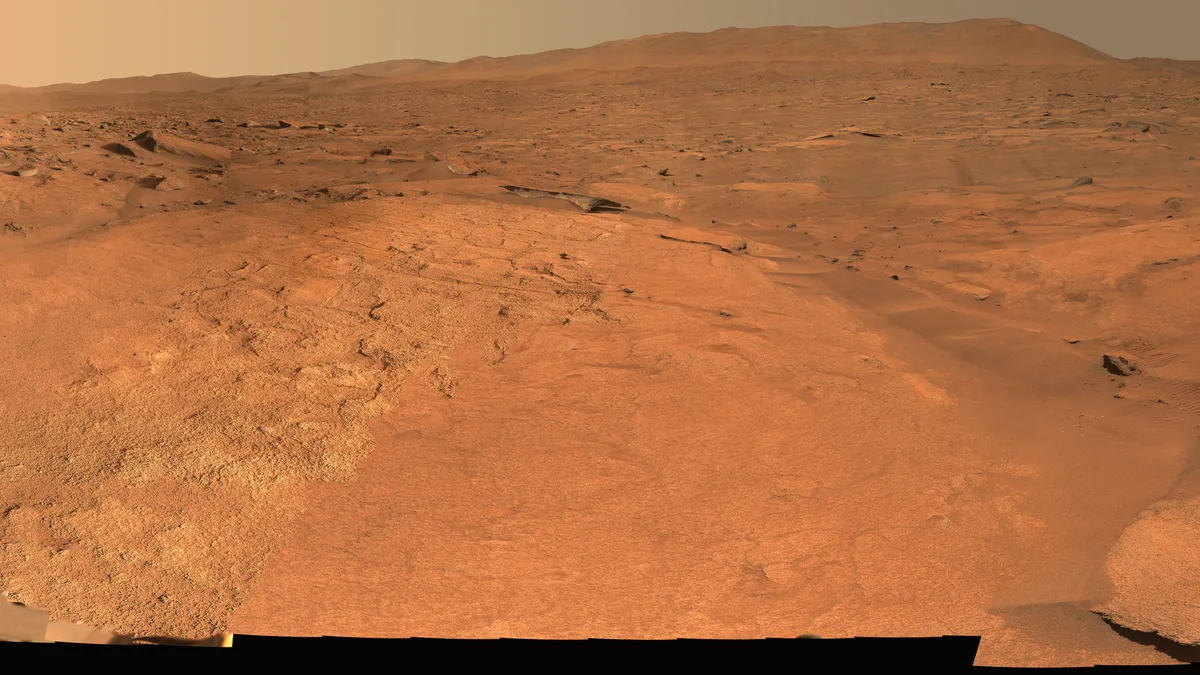
NASA / JPL-Caltech, Perseverance at Jezero. Terrain, not a sign of life. Rocks at the rim of Jezero crater were altered by water at least three times. That is not a detection of life.
NASA says Perseverance’s SuperCam readings of the Margin Unit show olivine-rich rock changed by carbon-dioxide-rich groundwater, possible lake water, and later hotter fluids that left calcium sulfate and fluorite. The work is in Communications Earth & Environment.
2 sources
17 Sep 2026/Life
Corroborated
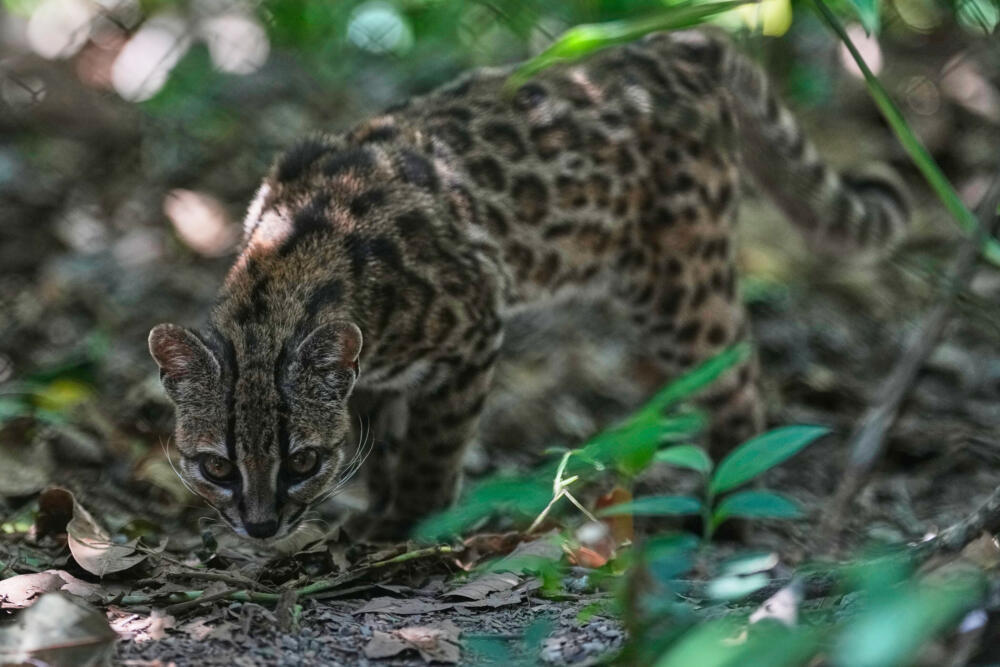
The tilcayo in Bolivia, published with the species report. A small Bolivian wild cat, Leopardus tilcayo, has been named as its own species. “First cat in a century” needs a footnote.
A Current Biology paper used genomes from 38 Leopardus cats and split the South American tiger-cat complex into five lineages, including a previously unnamed species from Bolivia’s Yungas. Reuters, New Scientist, and Sci.News all reported the description, published 17 September 2026.
4 sources
17 Sep 2026/Technology · Physics
Confirmed
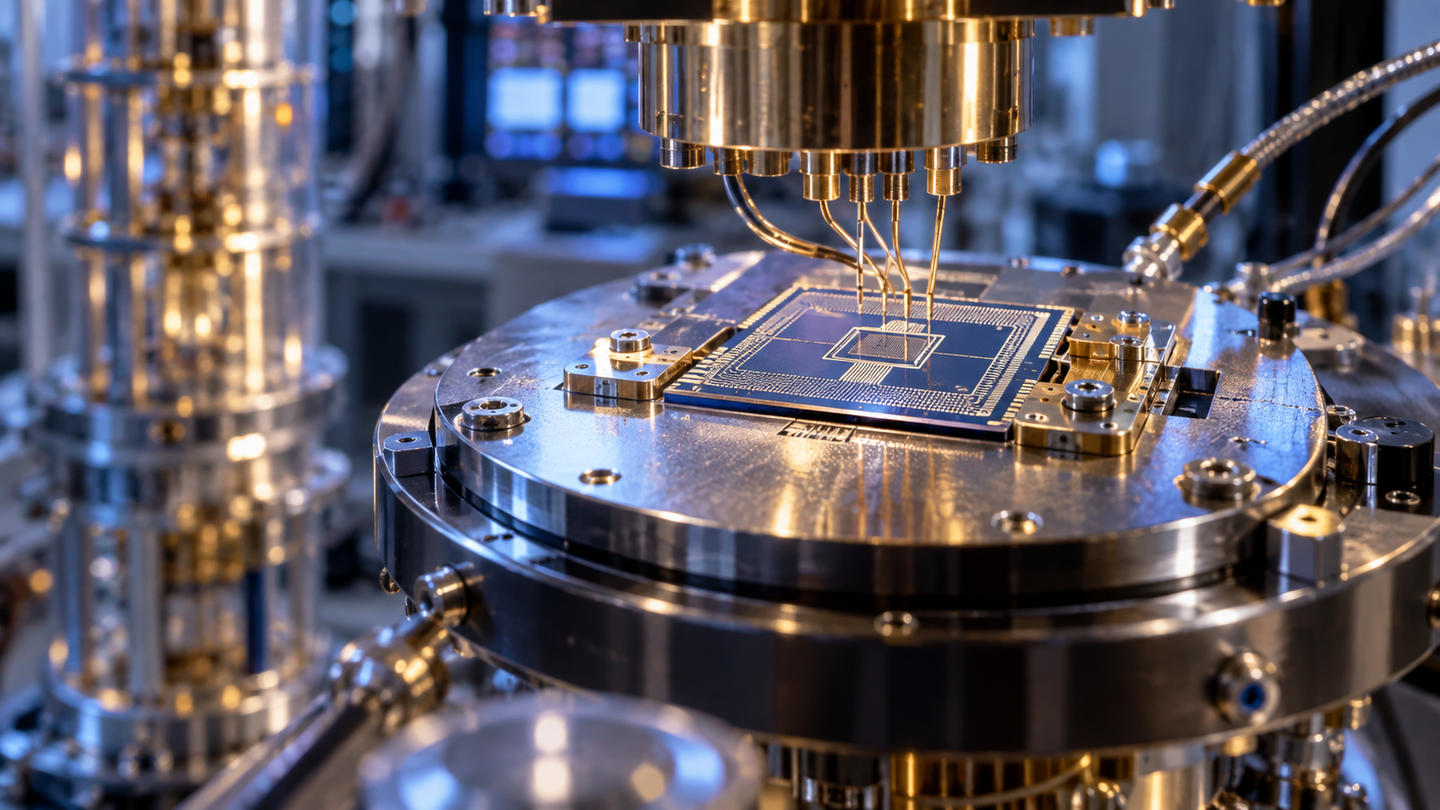
A probe station for reading quantum chips, published with the Stanford result. Not a speaker. Stanford physicists watched single quanta of sound jump energy states, in real time, inside a chip.
A team led by Amir Safavi-Naeini recorded quantum jumps of phonons in a mechanical resonator and published the result in Science. Quantum jumps had been seen in trapped ions in 1986 and in photons in 2007. Sound had stayed out of reach until this resonator, which rings long enough to catch the drop from one phonon to none.
2 sources
14 Sep 2026/Physics
Corroborated
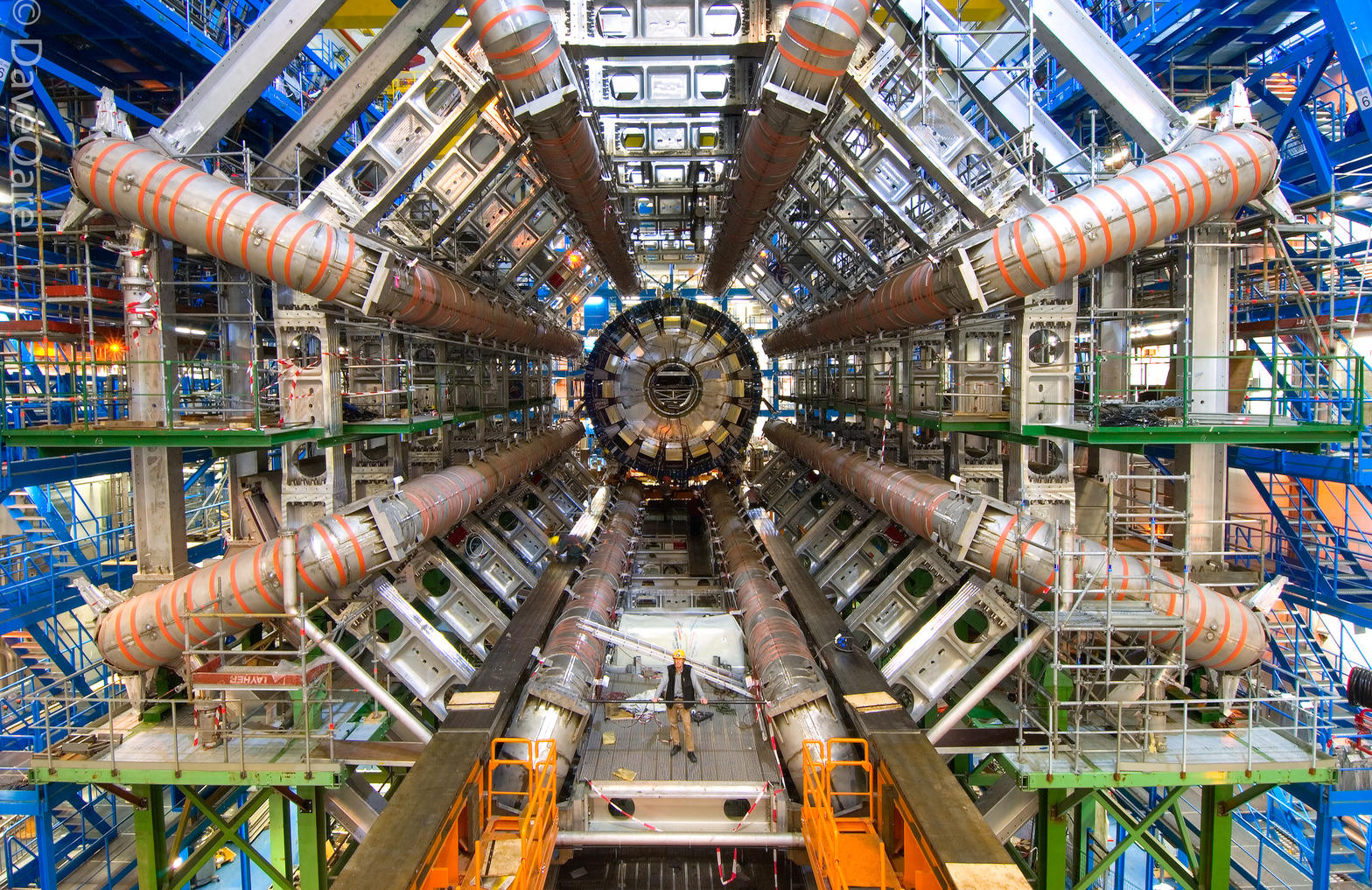
The ATLAS detector at CERN. Photograph: Dave Gale. The instrument, not a new particle. ATLAS reports evidence for a very rare Higgs decay. It does not break the Standard Model, and it is not a new particle.
The collaboration combined LHC Run 2 with early Run 3 data and measured the Higgs decaying to a virtual photon plus a photon at 1.03 ± 0.34 times the Standard Model rate. The excess is 3.4 standard deviations. In this field, that is evidence. Discovery is usually saved for about five.
1 source
3 Sep 2026/Technology · Medicine
Confirmed
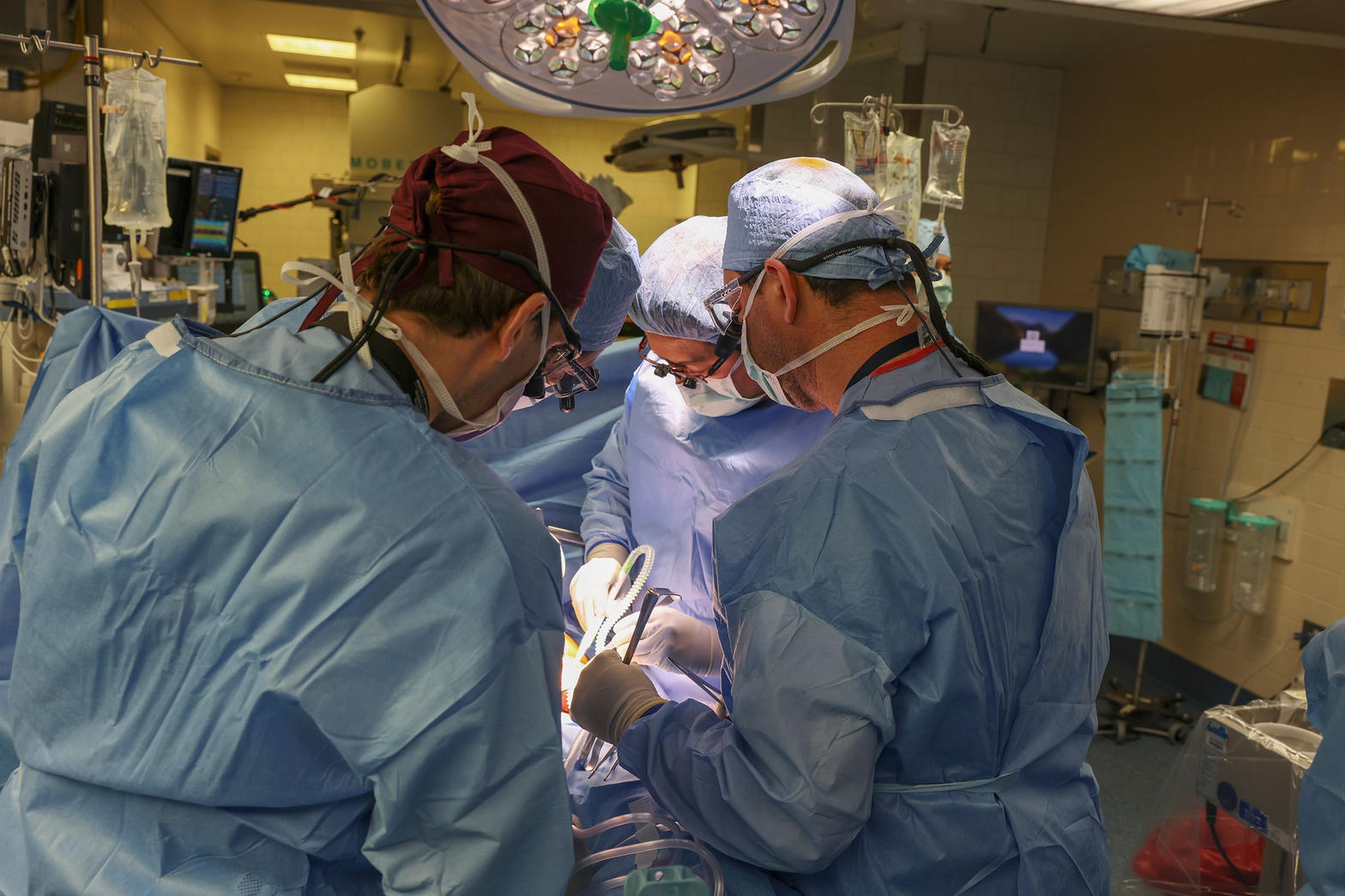
Massachusetts General Hospital, from reporting on the pig-kidney program. One operating room, not a treatment you can book. One man lived 271 days with a gene-edited pig kidney, then received a human one. It is a case report, not a treatment you can book.
Mass General Brigham reports that Tim Andrews, 66 at the January 2025 xenotransplant, stayed off dialysis for 271 days before a human donor kidney in January 2026. The case is published in The Lancet. The New York Times describes it as the first known bridge from a pig kidney to a human kidney.
2 sources
22 Sep 2026/Climate
Corroborated
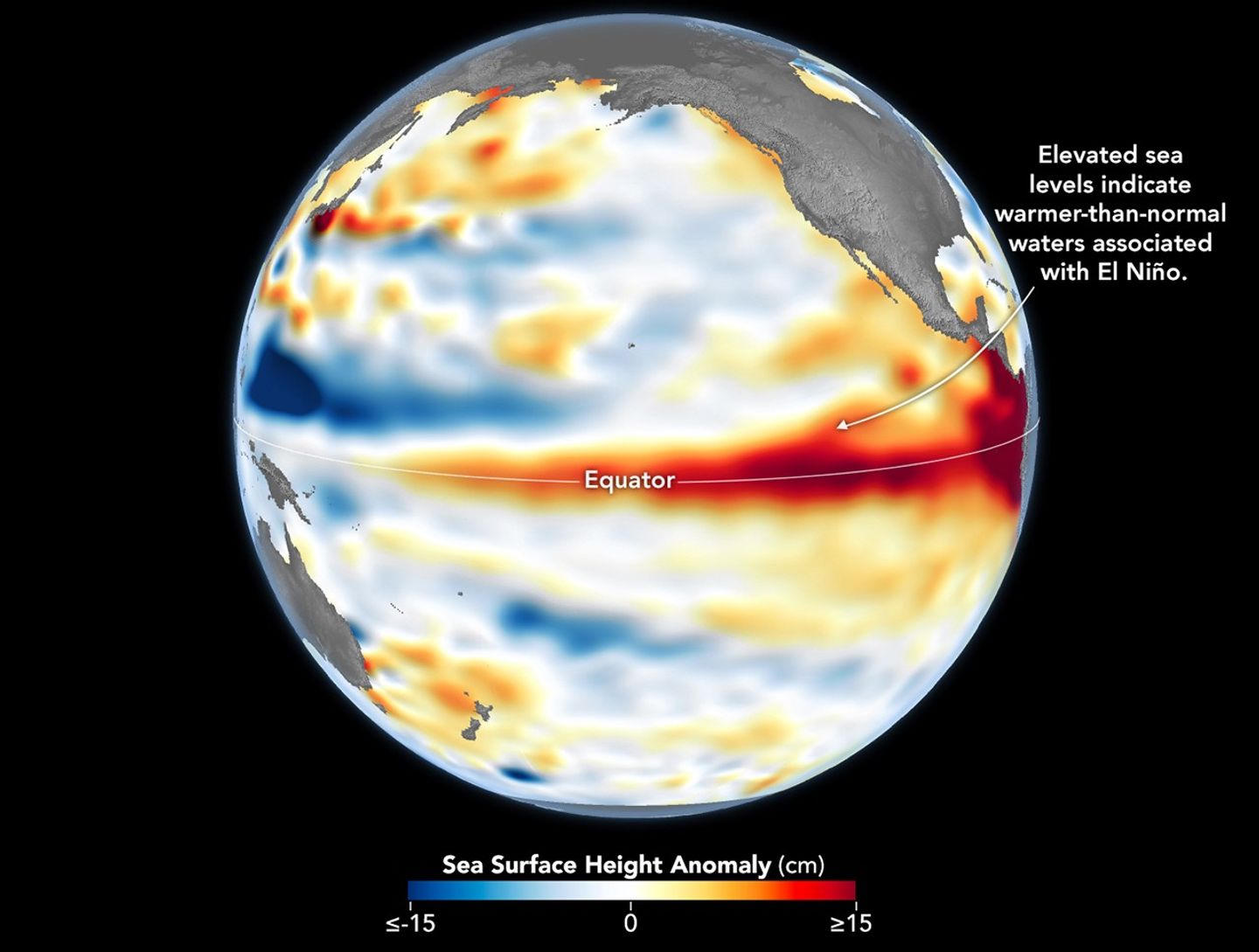
NASA sea-surface height during an El Niño. A visualization of the pattern, not the 22 September index chart. This El Niño just set a late-September heat mark in the key Pacific region. “Hottest of our lives” is a scientist’s judgment, and the season is not over.
Scientific American reports sea-surface temperatures in the monitoring region 3.05°C above usual — the highest anomaly since 3.02°C in 2015 — and quotes climate scientist Daniel Swain calling it probably the superlative El Niño of our lives so far. In August, the same magazine quoted the UK Met Office expecting an event near 3°C if the forecast holds.
2 sources
8 Sep 2026/Math
Contested

Smoke breaking into eddies — the motion the equations describe. Not a figure from the proof. OpenAI published a claimed proof that Navier–Stokes fluids can blow up in finite time. The Millennium Prize is not settled.
On 8 September 2026 OpenAI posted a write-up and a Lean formalization arguing that smooth 3D incompressible flow, under a smooth force, can form a singularity in finite time while energy stays finite — Clay statements C and D. The company says it does not intend to claim the prize. New Scientist reported an internal run of thousands of agents and an estimated $15 million compute cost.
2 sources
22 Sep 2026/Space · Physics
Emerging
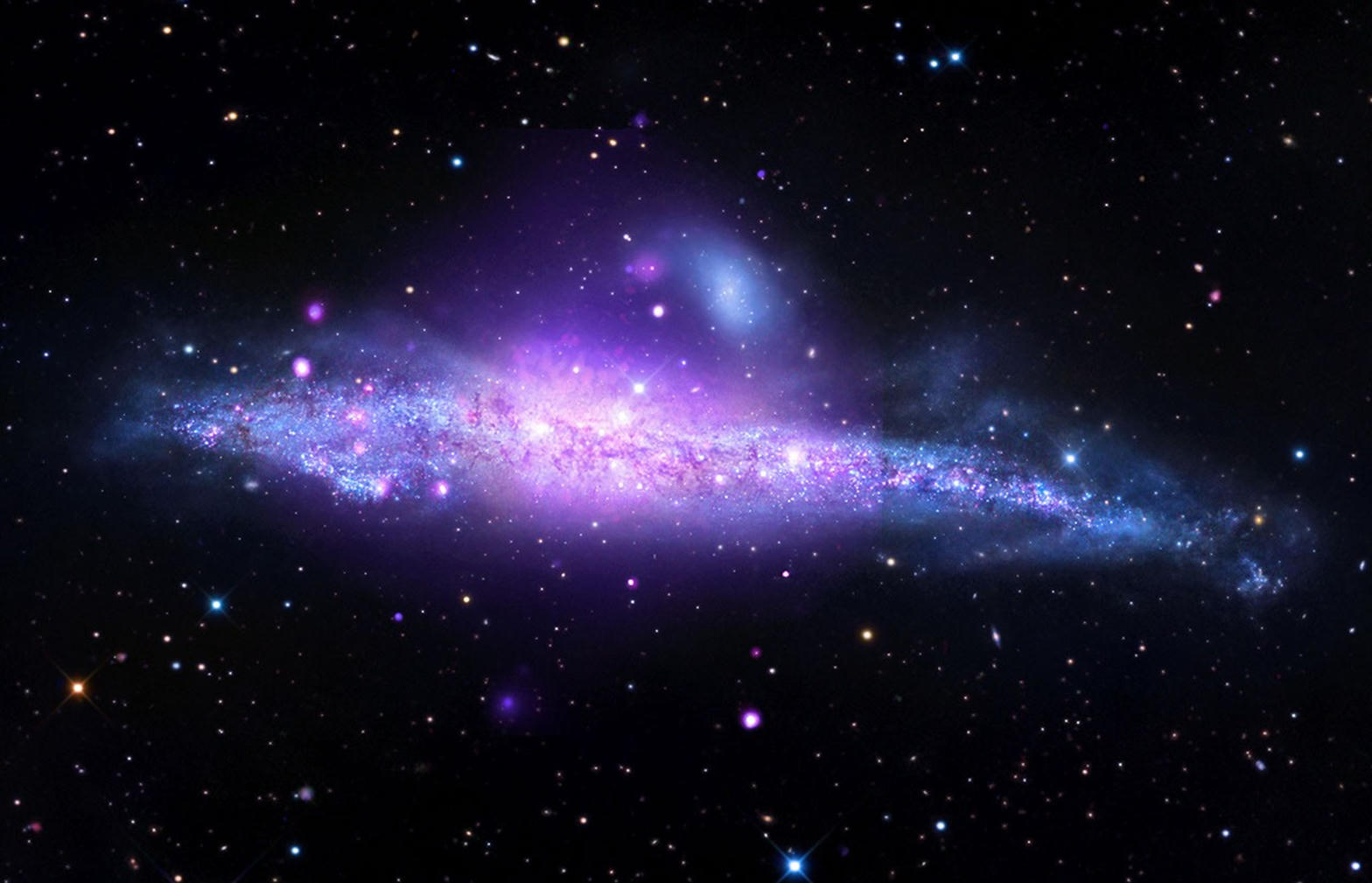
Andromeda seen by NASA’s Chandra X-ray Observatory. The hypersoft sources are too faint to pick out here. Astronomers report 84 “hypersoft” X-ray sources in six galaxies. They do not yet know these are one kind of object.
Sci.News reports a Nature Astronomy paper that mined archival Chandra observations: very low-energy X-ray sources in Andromeda, Messier 101, and four elliptical galaxies, sitting both in star-forming regions and among older stars. Some are extremely energetic even though they look faint in ordinary X-ray bands.
1 source